
Lymington Society/ Berthon/ SLAK (Save Lymington and Keyhaven) - Summary of the Situation, and Suggested Responses to the Consultation
Deadline for responses 25 September 2026, please read
Lymington Society Calls for Major Re-think of EA’s Hurst–Lymington Coastal Strategy and Stronger Commitment to Beneficial Use of Dredged Sediment (BUDS)
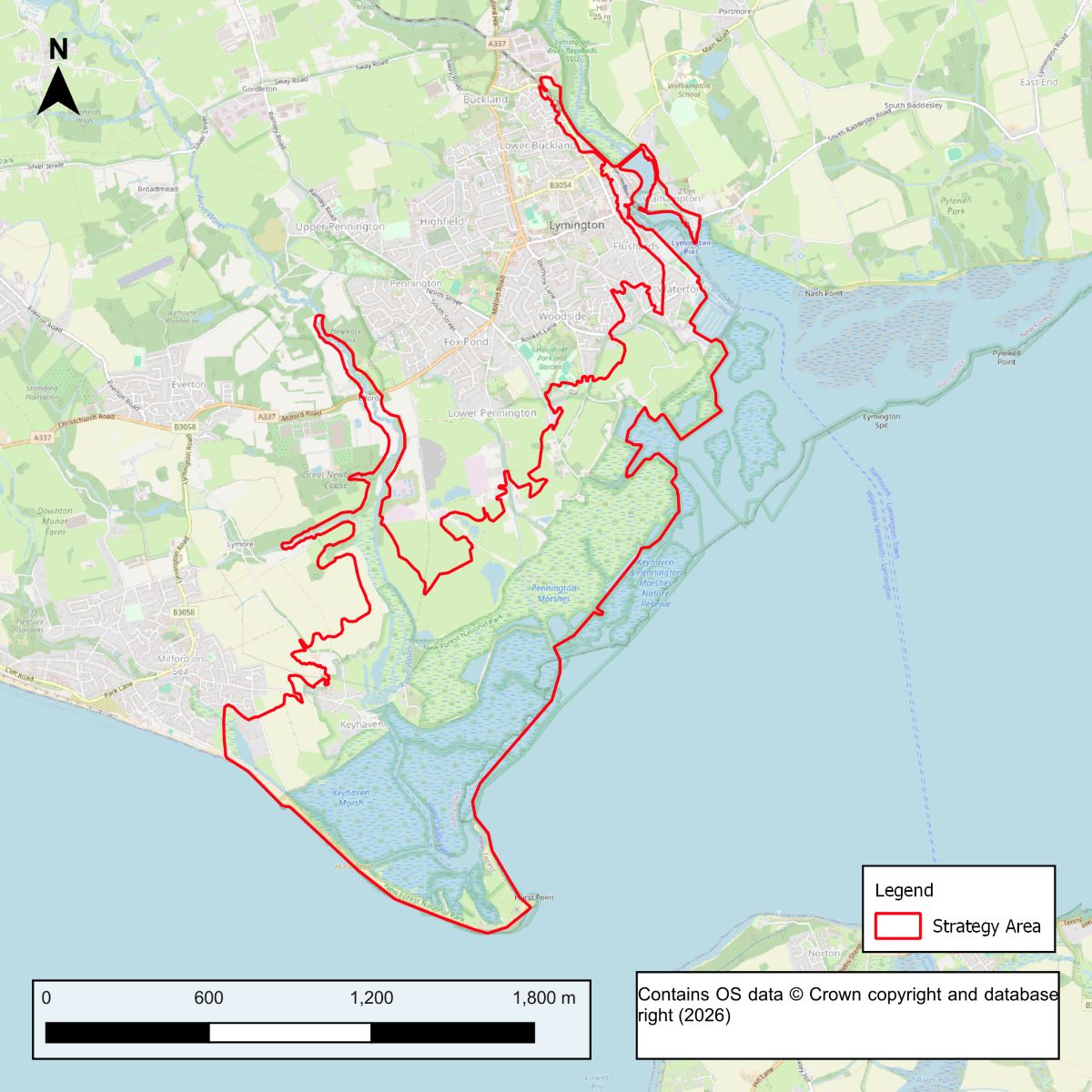
The Lymington Society has raised significant concerns about the Environment Agency’s draft Hurst Spit to Lymington Coastal Strategy, urging a shift away from large-scale managed retreat options and towards practical, nature-based solutions such as the Beneficial Use of Dredged Sediment (BUDS).
Strategy Fails to Address Key Risks
The Society believes the current proposals do not adequately address:
- The ongoing loss of large areas of existing saltmarsh which the strategy does nothing to protect.
- The increasing risk to the harbours of Lymington and Keyhaven by the lost of existing saltmarsh.
- The growing threat of easterly storms
- The vulnerability of Hurst Spit, whose failure would endanger Keyhaven, Lymington and the wider Solent
- The increasing risk of overtopping along the frontage
- The long delay before Lymington receives meaningful protection — currently proposed for 2062
“The Strategy does not answer the fundamental problem of coastal and flood protection. The risks are increasing now, not in 40 years’ time.”
Impact on Amenity, Economy and Existing Habitats
The Society warns that the EA’s managed-retreat proposals would lead to:
- Loss of the existing sea wall and coastal path
- The loss of farm land and habitat from building huge new sea defences.
- Reduced amenity for residents and visitors
- Potential economic harm to Lymington’s river and harbour
- Long delays caused by the need to create compensatory habitats before managed retreat can be carried out.
Beneficial Use of Dredged Sediment - BUDS: A Practical, Deliverable Alternative
The Lymington Society strongly supports BUDS as a central part of the Strategy. BUDS offers a realistic, cost-effective and environmentally positive way to:
- Repair and raise existing saltmarsh to match sea level rise
- Create new saltmarsh or shingle bunds to protect the existing sea wall from increasingly strong wave action due to climate change
- Strengthen natural coastal defences
- Reduce reliance on major engineered structures
The proposed BUDS-based restoration scheme at Copperas Bay, Harwich, is evidence that similar approaches could be deployed successfully in the Solent. “BUDS is vital. It should be used both to augment existing saltmarsh and to create new saltmarsh where needed. It is far more realistic than managed retreat and should be at the heart of the Strategy.”
A Call for a Strategy That Protects What We Already Have
Speaking about the Society’s response to the Environment Agency Strategy Chair Don Mackenzie said.
“Speaking as Chair of the Society, Don Mackenzie welcomed the EA’s recognition of the serious risks facing the coastline but warned that several elements of the Strategy are unrealistic, environmentally damaging, and too slow to protect local communities. “We are grateful that the EA is taking the risks to the Hurst–Lymington coast seriously. But huge, expensive new managed-retreat sea defences are simply not practical. They are unlikely ever to secure planning or environmental approval, and they do not offer timely protection for Lymington. They are unlikely to even create anything like the area of saltmarshes currently being lost.
The unwillingness of the EA to consider measures to help retain the existing areas of saltmarsh which do so much to protect Lymington and Keyhaven, in favour of creating much smaller areas of saltmarsh by managed retreat and at great expense makes no sense at all.
The current work by the Lymington Harbour Commissioners to help stabilise the saltmarsh at Boiler Marsh to the east of the town has been a sensational success and shows what can be done if the EA can change their current playbook of always considering managed retreat as the first option for saltmarsh creation.
BUDS is vital. It should be used both to augment existing saltmarsh and to create new saltmarsh where needed. It is far more realistic than managed retreat and should be at the heart of the Strategy.
The Strategy must focus on preserving existing saltmarsh and creating new shingle and bunds to defend the sea defences we already have.
BUDS offers a practical, deliverable, and environmentally beneficial way forward. It deserves far greater emphasis.
We hope that in the final draft the EA will turn away from their expensive and damaging manged retreat proposals and come up with a completely new strategy based on preserving and enhancing the saltmarsh we have rather that hoping that they can create a much smaller amount in many years’ time by using managed retreat and new sea defences.
Contact: Don Mackenzie Chair, The Lymington Society
Hurst Spit to Lymington Coastal Strategy A quick guide to responding - by SLAK - Save Lymington & Keyhaven
Link to Consultation Here
Suggested answers
-
5a. Hurst Spit - Tend to oppose/Strongly oppose Support BUDS to protect the saltmarsh behind Hurst Spit and include North Point in the Strategy to support navigation of the Keyhaven River.
-
5b. Keyhaven West & Central - Tend to support/Strongly support Support. A footbridge over the Dane Stream would help maintain the coastal walking route.
-
5c. Avon Water - Tend to support/Strongly support Support, but bring forward the timing where possible to reduce flooding risk in Keyhaven.
-
5d. Keyhaven East to Fishtail - Tend to oppose/Strongly oppose Support the use of BUDS in front of the existing seawall to maintain and restore saltmarsh
-
5e. Jetty Butts & Oxey–Pennington - Tend to oppose/Strongly oppose Support the use of BUDS in front of the existing seawall before more intrusive intervention is pursued.
-
5f. Normandy to Salterns - Tend to oppose/Strongly oppose Support BUDS in front of the existing seawall. The proposed managed realignment area appears too small to provide a cost-effective long-term solution.
-
5g. Lymington - Tend to support/Strongly support Support raising the existing coastal defences.
-
6. Overall support for the Draft Strategy? - Tend to oppose/Strongly oppose A suggested comment: I welcome the Environment Agency's late addition recognising that BUDS could potentially change the Preferred Pathways. I believe BUDS should now be actively investigated and delivered at scale. The technical, regulatory, financial and organisational barriers should be treated as challenges to overcome, not reasons to defer this important opportunity. Most important: say something about BUDS
-
7. How well do you think the Strategy balances flood protection, adapting to change, and working with natural processes? - Neither well nor poorly/Poorly/Very poorly
-
8. Which of the following is most important to you in this Strategy? - Reducing flood risk to homes and businesses - Supporting recreation and access
-
9. How clear was the consultation information overall? - Mostly clear
-
10. Any additional views or information you would like to share about the Draft Strategy? BUDS could potentially retain and enhance the existing marsh footprint, reduce future sea-wall costs, protect important freshwater wetlands and harbour amenities, and create more diverse habitats through carefully designed topography. You do not need to use these words exactly. A short personal response is valuable.
